
Short Term Rental Franchise Ownership Guide
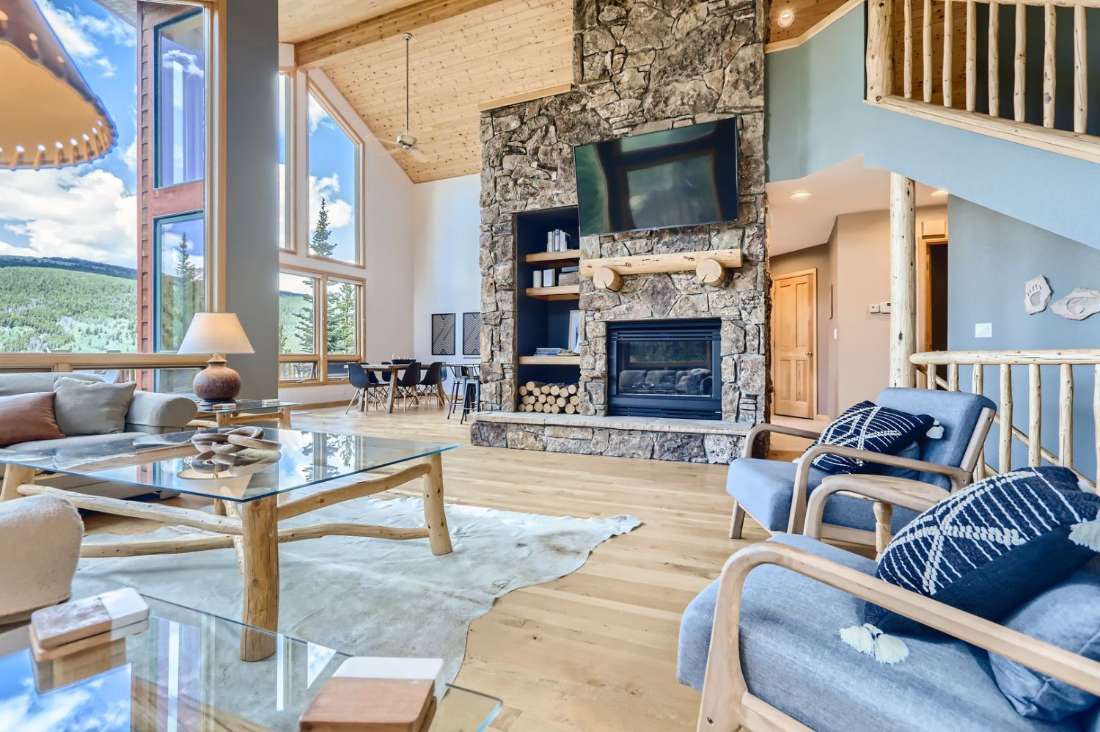
A short term rental franchise lets an entrepreneur build a local business managing vacation homes for their owners, without purchasing those homes.
The franchisee develops homeowner relationships and leads local property care. The franchisor supplies the brand, operating methods, and specified support services. Some owners eventually operate more than one territory. The best opportunity is one whose costs, responsibilities, territory, and support fit the business you want to build.
What is a short term rental franchise?
A short term rental franchise is a business that manages homeowners’ properties for shorter guest stays under an established franchise system. The operator signs homeowners, coordinates local service, and earns management fees under agreements with those owners. The franchisor licenses its brand and methods and provides the support described in its Franchise Disclosure Document, or FDD, and franchise agreement.
When you franchise with Grand Welcome, services can include listing setup, pricing, booking distribution, guest communication, a technology platform, and homeowner reporting. Buying the franchise does not mean buying vacation homes, and a management franchise is an active business rather than a passive real estate investment.
Why do entrepreneurs choose a vacation rental franchise?
Build on homeowner relationships instead of buying property
You can expand the number of homes you manage by earning owners’ trust and signing management agreements. That avoids the purchase price of each home, although you still need capital for the franchise, marketing, licensing, people, and early operating costs. Income varies with your contracts, bookings, fee structure, and expenses.
Bring local knowledge to a repeatable model
A homeowner needs someone who understands local seasonality, property care, vendors, and guest expectations. The franchisee builds those relationships and leads the local team. A franchise system can provide training and processes so the owner does not have to design every procedure before opening.
Get support for work that grows with every home
Each new property adds pricing decisions, guest messages, turnovers, owner questions, and service issues. A capable system can take on defined parts of that workload while the franchisee retains responsibility for local execution. Ask what is included, who does the work, and how quickly issues are resolved. A brand name by itself does not create homeowner contracts or remove operating risk.
How does a property management franchise make money?
The management company generally earns fees for services under its homeowner agreements. The agreement determines which revenue is included, what additional services may be billed, and when fees are earned. Gross booking value is not the same as management company revenue, and revenue is not profit. Evaluate labor, cleaning coordination, local marketing, insurance, software, franchise fees, and working capital alongside expected bookings.
Before buying, model the number of signed homes, the time it may take to sign them, realistic booking activity, the management fee structure, owner retention, and operating costs. Use more than one scenario. If the franchisor makes financial performance representations, review them in Item 19 of its FDD rather than treating industrywide market estimates as a forecast for your business.
How can a franchise system help a new business grow?
Homeowner acquisition and property onboarding
New operators need a method for finding homeowners, explaining their service, following up, and bringing a signed home online. Look for practical sales training, local marketing guidance, owner presentation templates, listing setup steps, and a named person who helps when onboarding stalls. Determine what the franchisor does and what you must do or pay for yourself.
Grand Welcome is the only franchisor who offers staff assistance in property onboarding.
Pricing and booking distribution
Vacation rental demand changes by season, event, lead time, and property. A useful revenue management program combines tools with informed review of each home and market. Ask who sets rates, how often they are reviewed, which booking channels are supported, and how the owner sees performance. Broader distribution is a capability, not a promise of bookings.
Grand Welcome assigns a dedicated revenue manager to each franchisee to ask critical questions and work to maximize revenue.
Guest support and local service
Guest questions can arrive at any hour, while cleaning and repairs must happen at the property. Ask whether a central team handles guest communication, how urgent issues are escalated, and who approves refunds or compensation. Your local plan still needs reliable cleaners, maintenance partners, inspections, and a person accountable for service quality.
Grand Welcome offers a Guest Services team that is available 24/7/365.
Systems and coaching as the portfolio grows
Shared technology can help organize reservations, calendars, guest messages, tasks, and homeowner reports. Ongoing coaching should help you use that information to improve service, retain owners, and decide when to add staff. A live demonstration and conversations with franchisees will tell you more than a list of software features.
Ongoing training and support is key for franchisees, so they can leverage what the network already knows and not have to reinvent the wheel.
Can you own more than one short term rental franchise territory?
Some franchise systems offer qualified owners the opportunity to expand into additional territories. Multi-unit ownership can give an entrepreneur room to build a larger company across nearby or distinct markets, but each territory brings its own homeowner sales effort, local service network, staffing needs, and capital requirements. An additional territory should be evaluated as an operating commitment, not simply as a larger map.
Grand Welcome already has franchise owners who operate multiple territories. If expansion is part of your goal, ask how additional territories are awarded, whether you must meet performance conditions, how the fees and investment work, and what local leadership each market needs. Review any rights, deadlines, or discounts in the current FDD and agreements. A strong first market and a team able to maintain service quality provide a sounder basis for expansion.
How to compare short term rental franchise opportunities
Use the same questions for every brand. Request written answers, review the current FDD and agreements, and speak with current and former franchisees where available.
1. Does the territory fit your plan?
Find out how boundaries are set, whether they are protected, and what restrictions apply to marketing or managing homes near the border. Research local short term rental rules, licensing, housing types, seasonality, and homeowner demand. If you may want multiple units, ask how expansion territories are selected and awarded. A large estimated market does not tell you how many owners you can sign.
2. What is the full cost to launch and operate?
Compare the initial franchise fee, equipment, insurance, licenses, required marketing, staffing, and cash needed before the business supports itself. Add royalties, technology fees, service fees, and any brand fund contributions. Item 7 of the FDD estimates initial investment; Items 5 and 6 disclose initial and ongoing fees.
3. Who is responsible for each task?
Write down who handles owner sales, property setup, pricing, reservations, guest issues, cleaning, maintenance, reporting, and local compliance. Identify which roles you will need to hire and which tasks a central team will actually perform. This division of work has a direct effect on cost and your day-to-day schedule.
4. Can you verify the training and support?
Ask for a training agenda, onboarding sequence, examples of operating guidance, and the cadence of support after opening. Meet the team that will work with you. Ask franchisees whether support has matched what they expected, including during busy seasons and difficult guest situations.
5. Do the contract terms support your long-term goals?
Review renewal, transfer, termination, territory rights, and any restrictions that continue after exit. Ask how a sale of the business would work. Items 12 and 17 of the FDD and the attached agreements are starting points; a franchise attorney can help you understand how the terms apply to your plans.
How much does a Grand Welcome franchise cost?
Grand Welcome’s franchise website summarizes a total estimated initial investment of $39,500 to $189,750 from Item 7 of its 2026 FDD. The initial franchise fee varies by territory tier; the estimate also includes categories such as early homeowner marketing, working capital, and additional operating funds. Costs and availability can change. Review the current FDD and your proposed territory with the franchise team for the figures and terms that apply to you.
The cost comparison should include the ongoing royalty, technology, brand fund, guest services, and other fees described in the current FDD. An upfront estimate alone cannot show whether a franchise is the right investment for your circumstances.
What support does Grand Welcome provide?
Grand Welcome’s franchise model pairs a locally led business with a central operating platform and staff support. Its franchise site describes property onboarding, revenue management, a 24/7 guest services team, owner reporting, booking distribution, technology, homeowner growth guidance, and ongoing Franchise Success support. Franchisees build local homeowner relationships and lead the people and vendors who care for properties in their market. Several Grand Welcome owners operate more than one territory, showing a possible path for entrepreneurs who want to grow across markets.
That division is especially relevant if you want to work directly with homeowners and build a local team while getting support for systems and guest services. During discovery, ask to see how each service works in practice and how the responsibilities appear in the current FDD and agreement.
Frequently asked questions
Do I need to own homes to start a vacation rental franchise?
No. In this model, you manage vacation homes for their owners under service agreements. Your business must sign homeowners and deliver the services promised in those agreements.
Do I need vacation rental experience?
Prior experience can help, but Grand Welcome says its franchisees can come from hospitality, real estate, or general business backgrounds. The role calls for local market knowledge, full-time owner involvement, and the ability to build homeowner relationships and lead operations.
Is short term rental franchise ownership passive?
No. Grand Welcome describes its franchisees as owner-operators. Central services can support the business, but you are responsible for developing the local market and overseeing property care and service quality.
How long does it take to open a Grand Welcome franchise?
Grand Welcome’s franchise site describes an inquiry-to-opening process that typically takes 90 to 120 days. The actual timing depends on territory review, FDD review, your preparation, training, and local launch requirements.
What should I review before signing a franchise agreement?
Read the current FDD and every attached agreement. Pay particular attention to fees, estimated investment, training and support, territory, financial performance representations if provided, franchisee contacts, renewal, and exit terms. Speak with franchisees and seek advice from a franchise attorney and accountant.
Explore Grand Welcome franchise ownership
If you want to build a short term rental management business in your market, request the Grand Welcome Franchise Information Kit. You can discuss territory availability, what the operating platform provides, your local responsibilities, and the investment and process described in the current FDD.
See if Grand Welcome is right for you
Request the free Franchise Information Kit or a brief introductory call with our franchise team.
Request your free kit
Or text or call Maxine Minar at 949-882-5716
This guide is general educational information, not a franchise offering or a financial performance representation. An offer can be made only through an appropriate Franchise Disclosure Document and in compliance with applicable state law. The current FDD and agreements control the terms of any franchise opportunity.